General Real Estate Law
When it comes to real estate law, Smith Schafer Davis LLC offers a wide range of real estate services. Whether our clients are dealing with the purchase, sale, or lease of commercial, residential, or agricultural properties, we strive to structure each transaction to minimize risks while maximizing benefits.
Real Estate Transactions
Smith Schafer Davis LLC represents buyers, sellers, landlords, and tenants of all sizes and types of residential, commercial, agricultural, industrial, and retail properties. We also assist clients with 1031 like-kind exchanges, helping structure qualifying real estate transactions in a way that supports long-term investment and tax planning goals.

Agricultural Real Estate
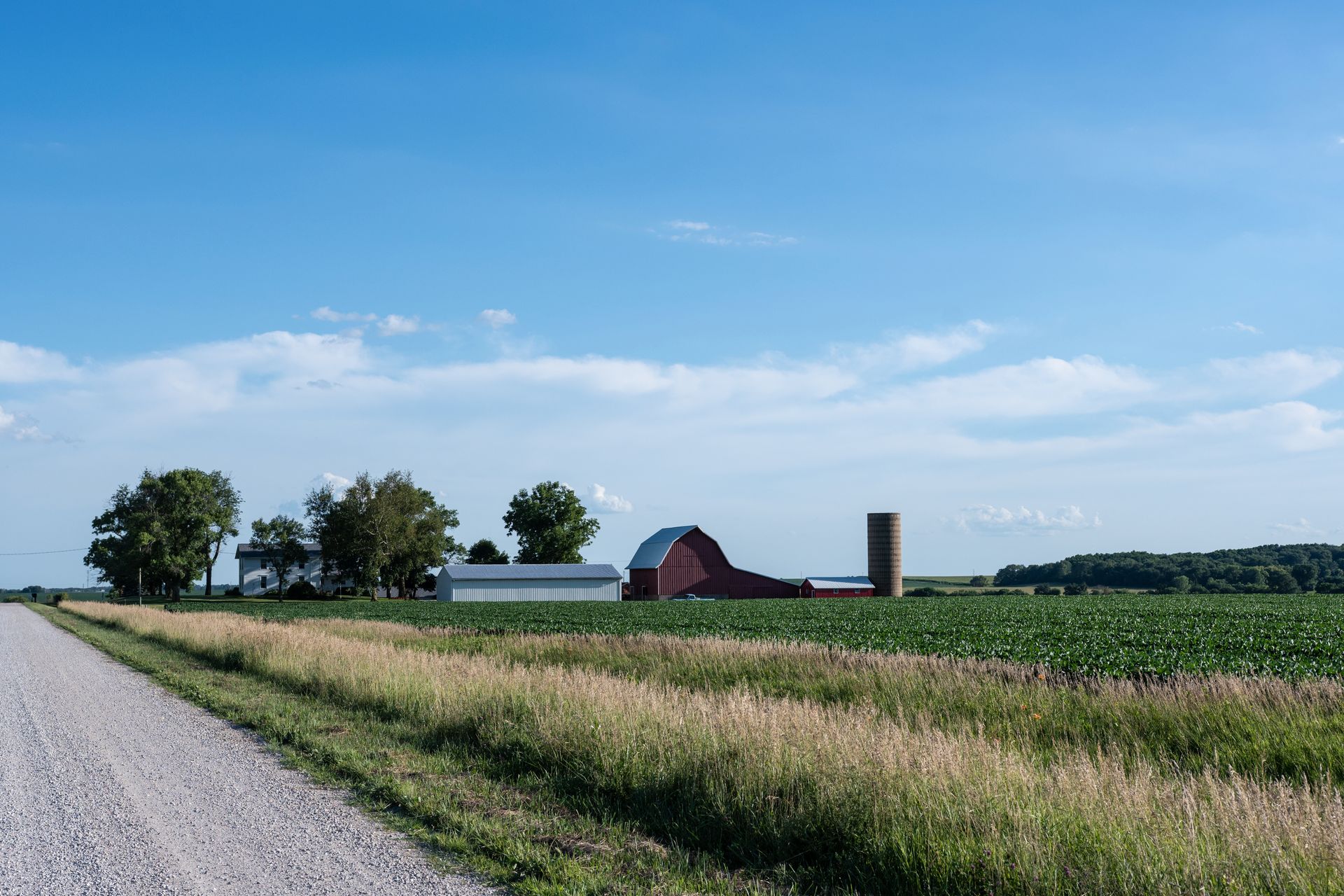
Our team is well-versed in the challenges associated with agricultural property transactions. We provide tailored advice for buying, selling, leasing, and managing agricultural lands and facilities.
- 1031 like-kind exchanges for agricultural real estate
- Farm lease agreements (cash rent, crop share, flex leases)
- Conservation easements
- Wind and solar energy lease agreements
- Title opinions and abstracts for rural property
- Farmland purchases, sales, and intergenerational transfers
- Strategies for extracting land from corporate entities (common for farm families with legacy C-corp structures)
1031 Exchanges
A 1031 like-kind exchange allows property owners to defer capital gains taxes when reinvesting in qualifying real estate. These transactions require careful structuring, strict timelines, and compliance with IRS regulations. Smith Schafer Davis LLC assists clients in planning and executing 1031 exchanges for agricultural, commercial, and investment properties, helping ensure transactions are structured properly to support long-term tax and investment goals.


Farm Lease Agreements and Energy Leases
Leasing agricultural land involves more than simple agreements—it requires clear terms that protect both landowners and operators. We assist with drafting and reviewing farm lease agreements, including cash rent, crop share, and flexible lease structures.
In addition, we help landowners navigate wind and solar energy lease agreements, addressing key issues such as land use rights, payment structures, long-term commitments, and potential impacts on farming operations. Our goal is to ensure agreements are fair, clearly defined, and aligned with your long-term interests.
Strategies for Transitioning Land From Corporate Entities
Many farm families hold land in legacy C-corporations, which can create significant tax challenges when transferring ownership. We provide guidance on strategies for extracting land from corporate entities, helping clients evaluate options that consider tax implications, ownership goals, and long-term succession planning.
Our approach is tailored to each situation, with a focus on minimizing tax burdens while positioning land and assets for future generations.
Due Diligence
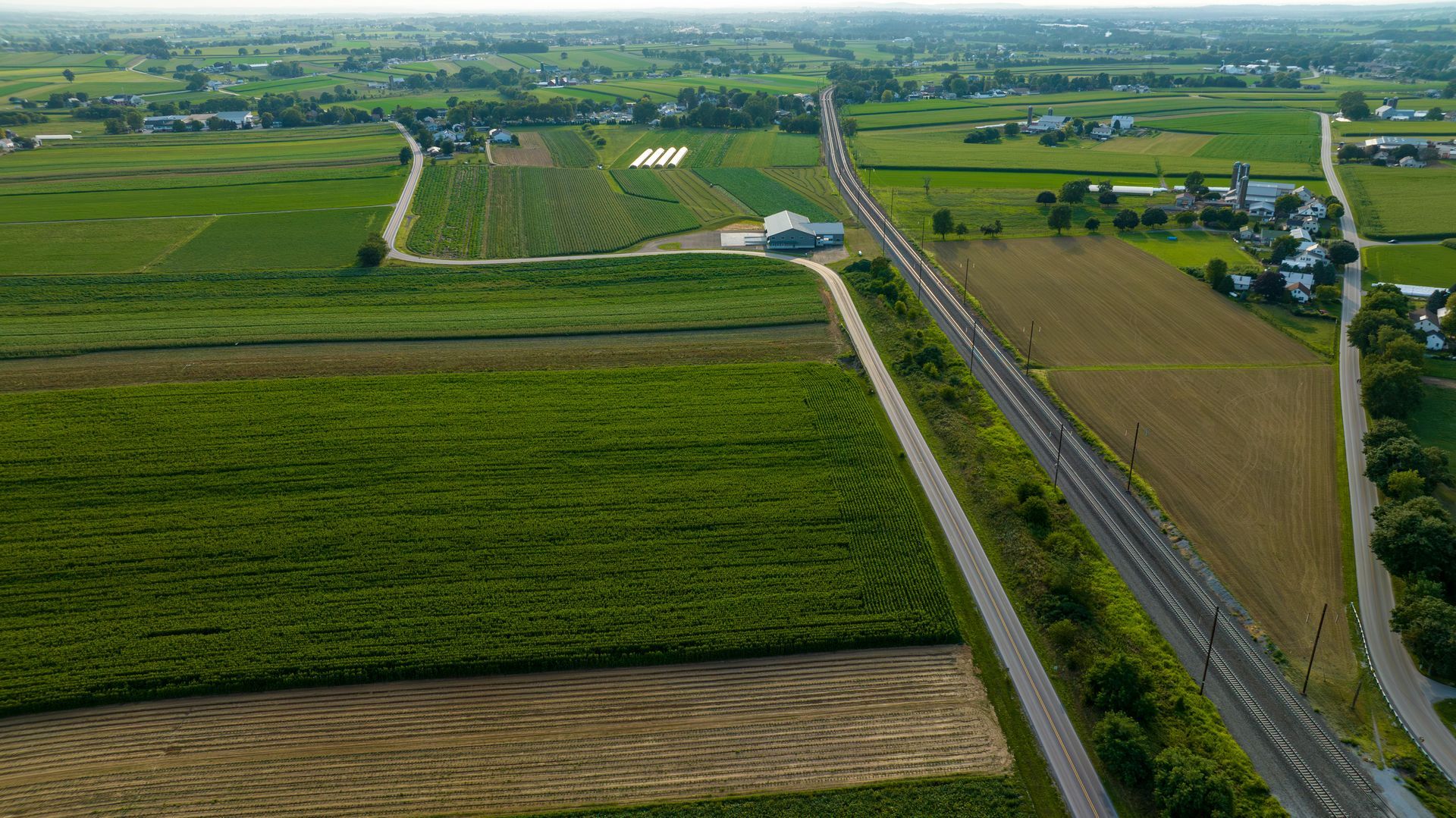
We conduct comprehensive due diligence for insurance and title issues, addressing the specific needs of residential and commercial development, occupancy, sales, leasing, and collateralization, as well as agricultural investments and operations.
Zoning and Regulatory
We assist clients in navigating state and local zoning and regulatory compliance related to the development and use of residential, commercial, and agricultural properties.
Real Estate Law – FAQs
1. Why should I hire a real estate attorney for a property transaction?
A real estate attorney protects your interests at every stage of the deal — reviewing or drafting the purchase agreement, examining title work, resolving issues that surface in the title commitment, preparing deeds and other closing documents, and making sure the transaction is properly recorded. Realtors and lenders each have a role, but only an attorney represents you and your legal interests.
2. What legal issues can arise in real estate transactions?
Common issues include defects in the chain of title, undisclosed liens or judgments, easement and access disputes, boundary or survey discrepancies, zoning and use restrictions, mineral rights questions, and contract terms that don't adequately address contingencies, financing, or possession. Most of these are manageable when caught early — which is why title and contract review matter.
3. Can you help with buying or selling farmland or rural property?
Yes. Farmland and rural transactions involve issues that don't come up in a typical residential closing — mineral and water rights, fence line and access easements, existing crop or pasture leases, irrigation equipment, tenancy and termination notices, 1031 exchanges, and Nebraska inheritance tax considerations when property is passing through an estate. Our firm has deep roots in southeast Nebraska agriculture and regularly assists farm families with sales, purchases, gifts, and transitions between generations.
4. What is a title search and why is it important?
A title search reviews the public record to confirm the seller has clear authority to convey the property and to identify anything that could affect your ownership — prior mortgages, liens, judgments, easements, restrictive covenants, or breaks in the chain of title. The results are summarized in a title commitment, which the attorney reviews and works to clear before closing. This is what stands between you and inheriting someone else's problem.
We’re here to help! Simply call (402) 223-5257 to discuss your legal needs.